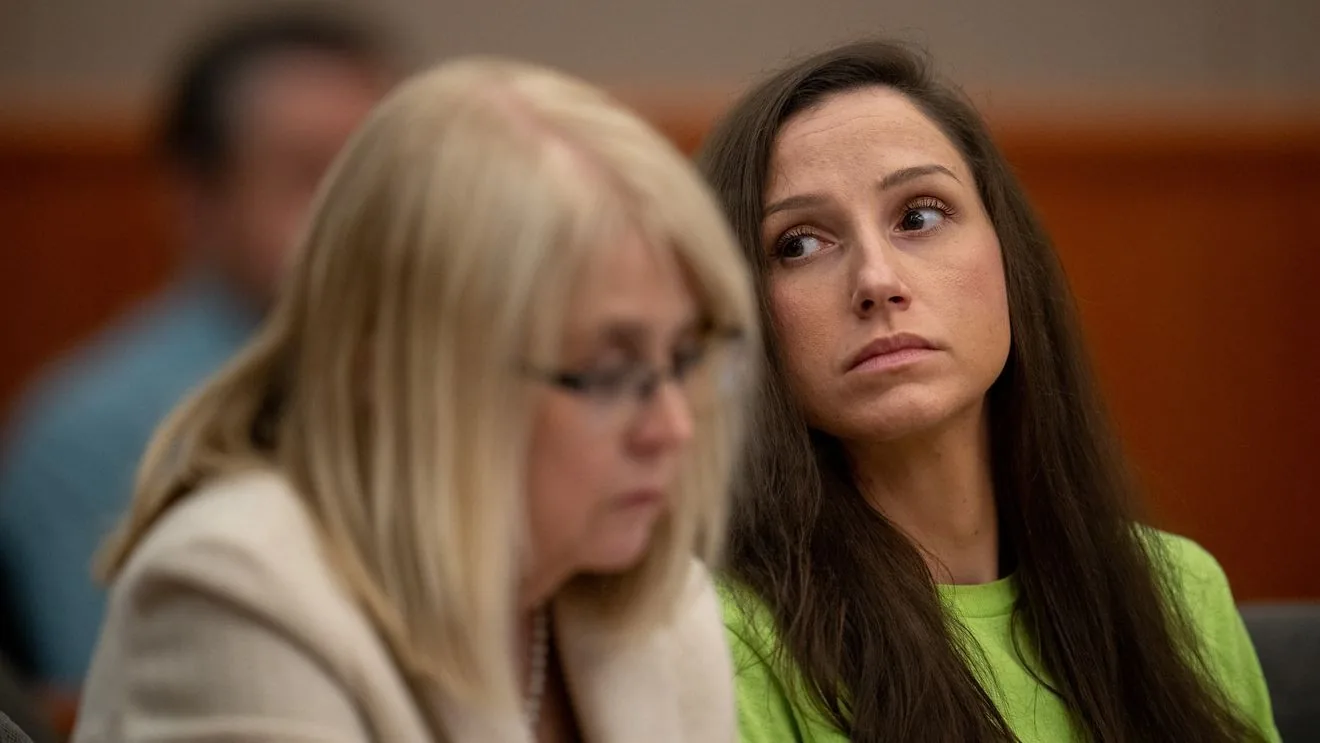
PARK CITY, UT — A Utah court has turned down a request to disqualify the judge who oversaw the Kouri Richins murder trial, the latest development after Richins asked for a new trial. The ruling means the defense cannot force Judge Richard Mrazik off the case based on its claims of unfair treatment during the proceedings. Richins was convicted in May of murdering her husband, Eric Richins, along with attempted aggravated murder and two counts of insurance fraud. As of July 30, no decision had been made on whether she will receive a retrial.
How The Case Reached This Point
Richins, 35, was found guilty in May after a trial that ended with convictions on several charges tied to her husband’s death and his life insurance coverage. Prosecutors said she tried to kill Eric Richins weeks before the fatal attack and later carried out the murder. Her defense responded by seeking a new trial and arguing that Judge Mrazik had treated the two sides differently. The request also claimed the judge had acted in a way that was impatient, critical, hostile, disparaging and condescending toward the defense while being friendlier to prosecutors.
The filing was the first step in trying to undo the verdict and challenge how the trial was handled. It set up a separate question from the murder convictions themselves: whether the judge should be removed because of alleged bias. That issue was reviewed after Mrazik recused himself from ruling on the disqualification motion.
Why The Motion Failed
Judge Kara Pettit rejected the disqualification request, saying the defense did not follow Utah’s procedural rules. She noted that the motion was not filed within the required 21-day window and that it lacked the certification of good faith the law requires. Pettit said those omissions alone were enough to deny the request.
Even setting those filing problems aside, Pettit said the defense still did not provide facts showing the level of bias or conflict needed to remove a judge from a case. She wrote that the material submitted did not show extreme conduct or the kind of deep hostility toward the defense that would justify disqualification. In her view, frustration or anger directed at lawyers would not meet that standard.
What The Judge Found
Pettit’s ruling drew a careful distinction between courtroom tension and disqualifying prejudice. She said the defense evidence did not show deep-seated antagonism toward Richins’s lawyers or favoritism that rose to the level required under Utah law. The judge added that even if Mrazik’s behavior could be interpreted as irritation with defense counsel, that would not be enough to remove him from the matter. The decision effectively leaves in place the original trial judge’s role in the case history, even though he stepped aside from the specific motion at issue.
The ruling does not decide the larger question of whether Richins deserves a new trial. It only resolves the separate issue of whether the trial judge should be disqualified for alleged bias. That distinction matters because the conviction stands unless and until another court grants relief on the retrial request or some other post-trial challenge.
What Happens Next
As of July 30, the court had not announced any decision on Richins’s request for a retrial. That leaves the case in a post-conviction phase, with the defense still seeking relief and the state’s verdict still in place. Richins is serving a life sentence without the possibility of parole and has continued to say she is innocent.
The murder case has drawn continued attention because of the seriousness of the charges and the unusual claims surrounding the trial process itself. For now, though, the immediate dispute over Judge Mrazik’s role is over. The next development will likely come from the pending motion for a new trial, which could determine whether the case moves forward under the current verdict or heads back toward another courtroom fight.