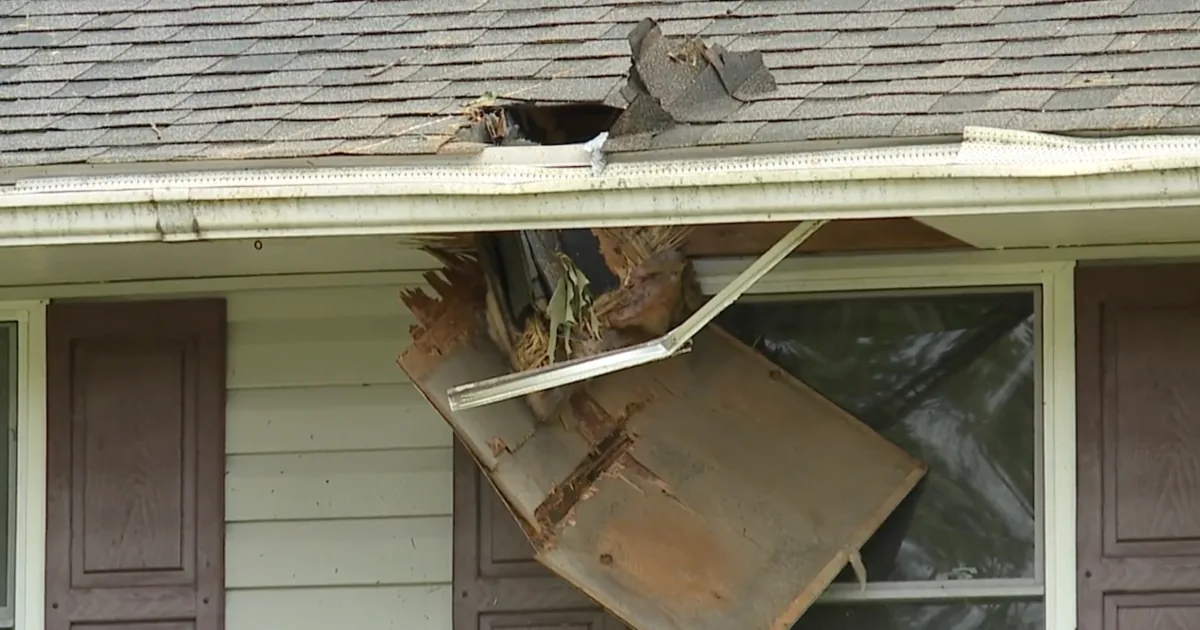
BALTIMORE, MD — As Maryland residents begin cleaning up after another round of severe summer thunderstorms, state insurance officials are cautioning homeowners to watch for contractors offering so-called free roof inspections. The Maryland Insurance Administration says some companies go door to door after storms and suggest a homeowner may qualify for a new roof through insurance. Regulators say the pitch can lead to fraud, unnecessary claims and major delays in getting legitimate repairs completed. Officials say the risk is especially high when people are already dealing with storm damage and want quick help.
How The Scam Works
According to the agency, dishonest contractors may tell homeowners they found storm damage even when none exists. In some cases, officials say, roofing materials may be damaged on purpose so it appears the storm caused the problem. Patti Dorn, associate commissioner for Consumer Education and Advocacy at the Maryland Insurance Administration, said contractors can sound informed because they may already know a homeowner’s name and address. She said the approach is often designed to lower a person’s guard and push them toward an immediate decision.
Officials warn that if a contractor damages a roof, the homeowner may have to file a vandalism claim instead of a standard storm claim. That can trigger a more involved insurance investigation, and a police report may also be required. The result, Dorn said, can be a long wait for repairs on a roof that may not have needed replacement in the first place. The agency says the problem has become increasingly common across the state.
Why Insurance Gets Complicated
The insurance agency also wants homeowners to better understand what their policies actually cover. Homeowners insurance is meant to pay for sudden damage tied to a covered peril, such as wind or fire, not normal aging or wear and tear. Officials say some homeowners may be persuaded to believe an older roof is automatically eligible for replacement, when that is not the case. Dorn said understanding the difference matters because a worn-out roof and a storm-damaged roof are treated very differently by insurers.
The Maryland Insurance Administration said the issue has shown up close to home for its own staff. Dorn said two members of her team, one in Baltimore County and one in Baltimore City, were approached with free roof inspection offers in the same week. With fewer than 25 people on her team, she said that suggests the scam is widespread enough to reach ordinary residents and insurance workers alike. That, officials said, makes caution important for any homeowner contacted after a storm.
Steps Homeowners Should Take
State officials recommend checking a contractor’s license through the Maryland Home Improvement Commission before agreeing to any work. They also advise homeowners to look up Better Business Bureau ratings and read online reviews, rather than relying only on a salesperson’s promise. Regulators say people should not feel pressured to sign a contract immediately, especially if the offer comes right after a storm when emotions and urgency may be high. Taking time to compare options can help avoid a bad agreement.
The agency also says homeowners should never sign a document that gives a contractor the authority to manage or negotiate an insurance claim. Only a licensed public adjuster can legally do that work. If a homeowner believes a roof has been damaged, officials say to contact the insurance company before approving repairs or signing paperwork. That step can help determine whether the damage is covered and reduce the chance of a confusing or unnecessary claim.
Preparing Before The Next Storm
The agency is also encouraging residents to prepare before the next severe-weather event arrives. One of its suggestions is to create a home inventory by walking through the house with a phone and recording video of belongings. Officials say that documentation can make the claims process easier if damage ever occurs. The Maryland Insurance Administration says homeowners who think they have been targeted can file a complaint online through its website. Questions about complaints can also be directed to the agency by calling 1-800-492-6116.